Edge-profile-machine-depth-stop
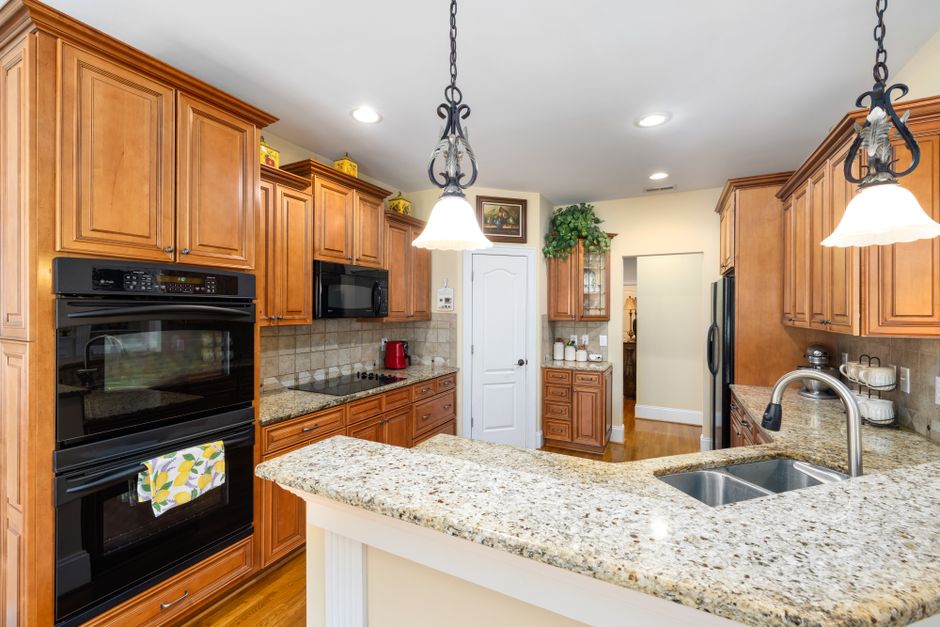
Two edge profiles that look identical under dim shop lights can differ significantly in depth once the machine runs a full length. The tolerances observed at custom countertops hendersonville nc aware center are tighter than those found in standard residential kits when preparing a quartz slab. Achieving a consistent bullnose or eased edge on a long run requires precise mechanical calibration of the vertical depth stop. A single millimeter of drift in the machine setting ruins the geometry of the entire countertop surface in Hendersonville, NC.
Mechanical Depth Calibration
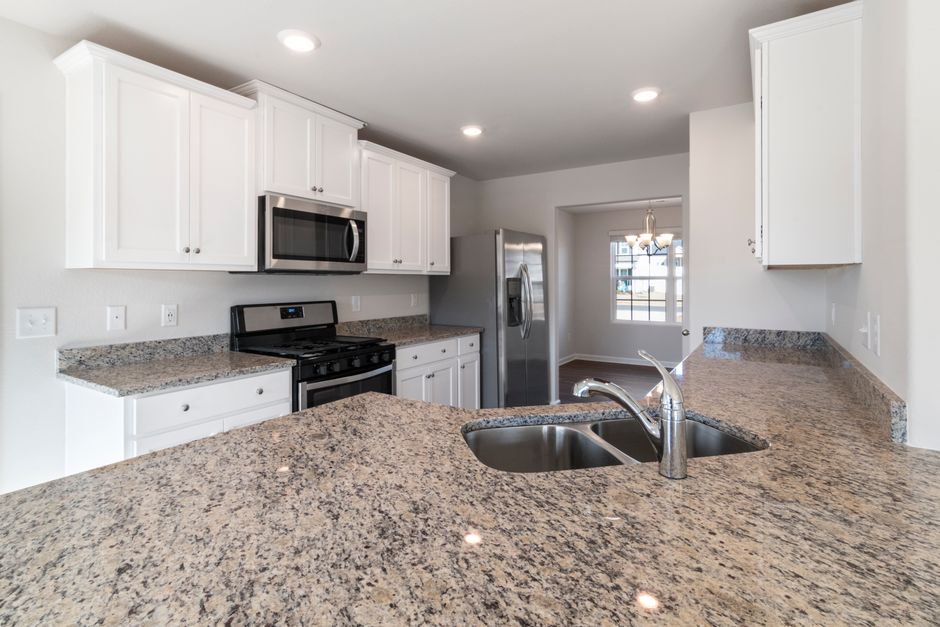
The vertical depth stop controls how far the bit penetrates the material. Even a slight vibration in the spindle can cause the bit to wander. Setting the stop for a marble slab requires different torque considerations than a softer laminate. If the depth is set too deep, the bit will chatter, leaving micro chips along the edge. A small sample overstates the edge if the depth stop is not locked down with a secondary pin. Consistent pressure against the fence ensures the bit maintains the intended radius.
Material Resistance and Bit Travel
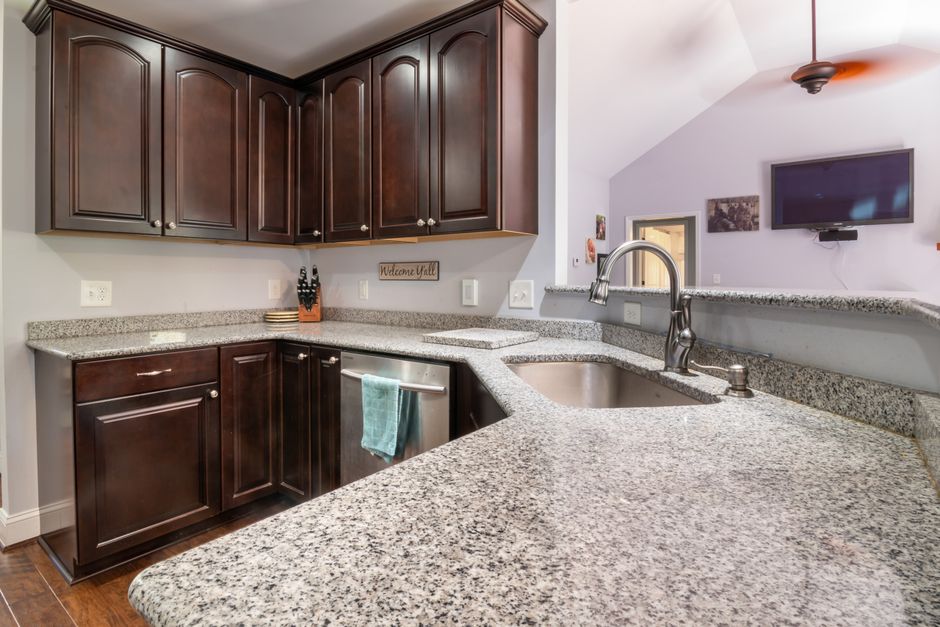
Different stones react differently to the downward force of the profile bit. A dense quartzite requires a slower feed rate to prevent the depth stop from shifting due to heat expansion. When working with granite, the friction can cause the bit to climb, altering the vertical position. The machine must be leveled to prevent the bit from cutting deeper on one side of the slab. This deviation makes a seamless transition impossible at the seam placement. A steady, controlled movement prevents the depth from fluctuating during long passes.
Managing the Edge Profile Geometry
The radius of a bullnose or the angle of a bevel depends entirely on the height of the bit relative to the work surface. If the depth stop slips, the overhang will appear uneven. This is especially noticeable on a waterfall edge where two pieces must meet perfectly. The geometry must match the digital template exactly to avoid visible discrepancies. A mistake in the vertical setting leads to a profile that looks shallow in some sections and deep in others. This error becomes obvious once the slab is installed near a sink cutout.
Consistency Across the Slab
A single pass is rarely enough to confirm the depth is correct. Running a test strip on a small remnant allows for verification of the vertical stop. The bit must be checked for wear, as a dull bit pulls upward, changing the effective depth. Once the setting is locked, the machine must run without interruption. Any pause in the feed rate can cause a heat build up that expands the metal and shifts the stop. Precision at the start prevents a failed installation in Hendersonville, NC.