Seam-support-rod-placement
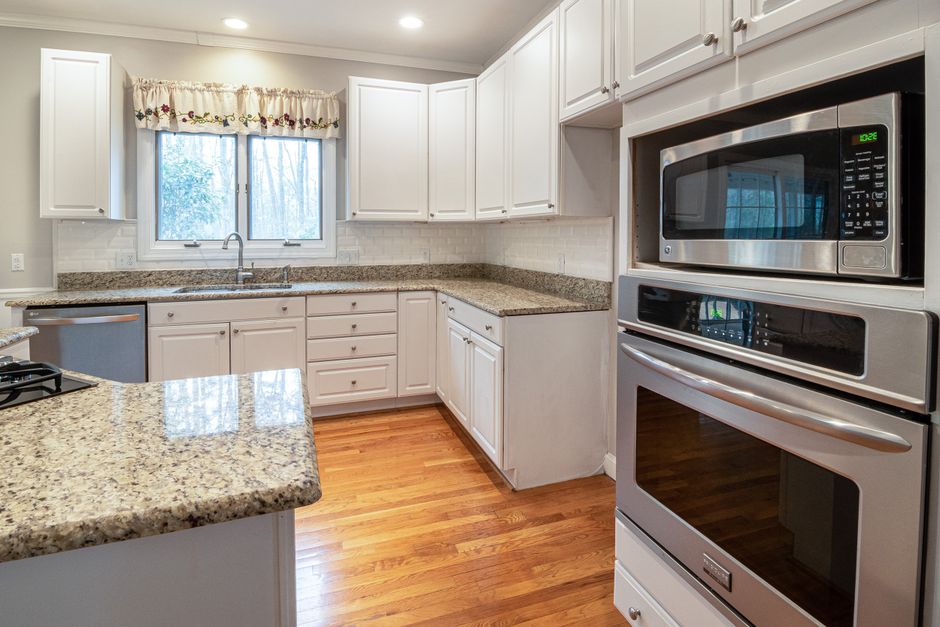
Two seams that look identical under bright shop lights can possess vastly different structural integrity depending on the internal support. The methods used at custom countertops hendersonville nc aware center differ from standard hobbyist practices because the mechanical loads in a residential kitchen require more than just surface adhesion. A granite slab requires specific reinforcement to prevent failure under tension. Working on a project in Hendersonville, NC involves managing heavy stone weights and precise cuts for a sink cutout. This worktop installation depends on the physics of the joint.
Rod Material Selection
Steel rods provide high tensile strength but remain prone to oxidation if moisture penetrates the epoxy. Fiberglass rods are chemically inert and do not rust, making them a preferred choice for wet areas near an undermount sink. Using a heavy gauge rod ensures the joint resists pulling apart. A thin rod fails to bridge the gap between the two pieces of quartz effectively. The diameter of the rod must match the depth of the routed channel to avoid creating a weak point in the stone itself.
Seam Placement Strategy
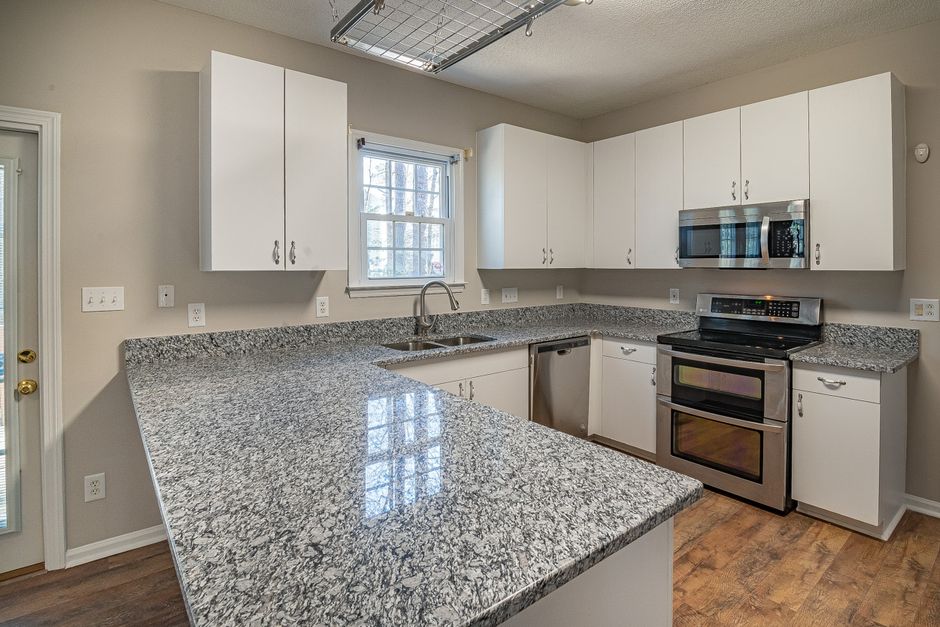
Placement of the reinforcement should occur at the center of the seam line. If the seam is located near a sink cutout, the stress levels increase significantly. Proper seam placement avoids high tension zones where the stone is thinnest. A rod positioned too close to the edge of a slab may cause a crack during the clamping process. The rods must be centered within the epoxy bed to ensure even distribution of lateral force. This mechanical bond keeps the pieces unified during thermal expansion.
Routing and Preparation
A router creates a precise channel for the support rod to sit within the stone. The depth of the channel must be calculated to allow enough epoxy to surround the rod without overflowing the seam. When working with quartzite, the material can be brittle, so the routing must be steady. The epoxy fills the void around the rod and the stone faces simultaneously. This creates a composite structure where the rod acts as the internal skeleton for the joint.
Pressure and Clamping
Clamping pressure must be applied evenly across the entire length of the seam. Excessive pressure can squeeze too much epoxy out of the joint, leaving the rod unsupported. Insufficient pressure leaves air pockets that compromise the bond. The rods hold the tension while the epoxy cures. Once the bond is set, the seam becomes a single structural unit capable of supporting a heavy overhang without sagging or snapping at the junction.