Undercut-door-swing-clearance
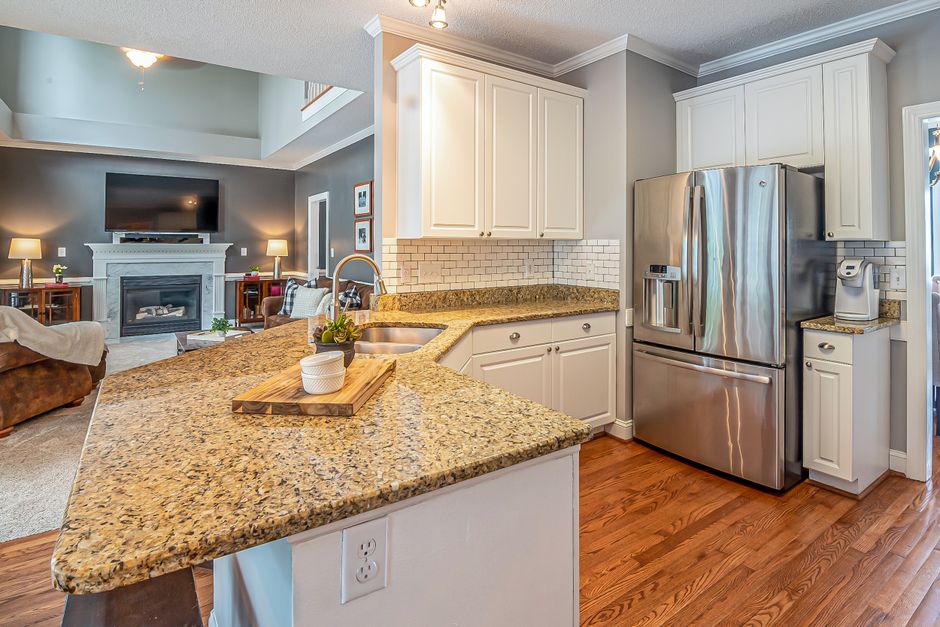
The door swings freely. Frequently, it hits the stone. The details found at custom countertops hendersonville nc aware center detail the math required to prevent this, especially for a new countertop in Hendersonville, NC. A heavy granite slab requires precise measurements to ensure cabinet hardware does not collide with the underside of the material.
Calculating the Vertical Clearance Gap
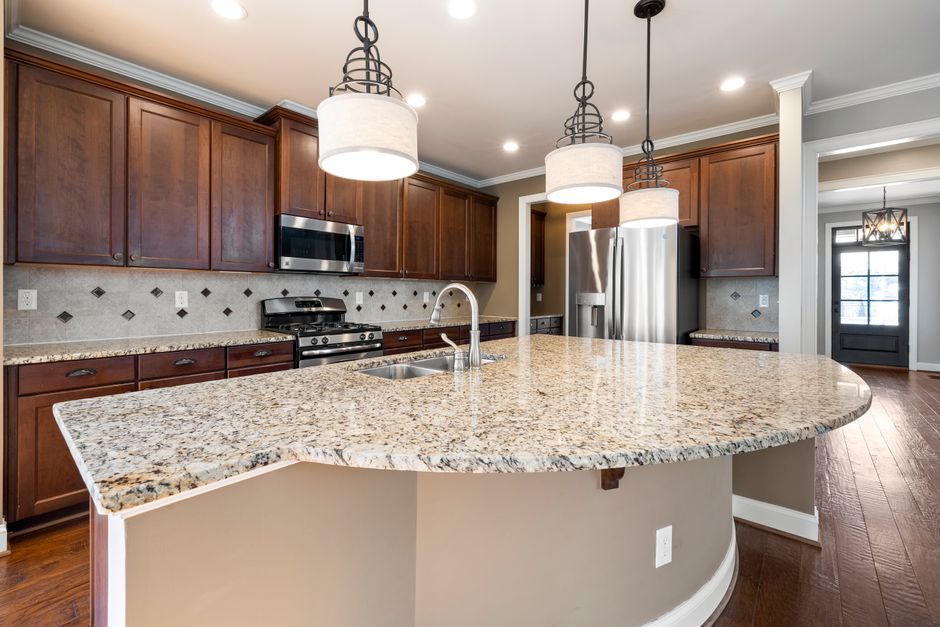
The distance between the bottom of the stone and the highest point of a drawer pull determines the success of the installation. A standard overhang provides a lip that can interfere with the movement of a door. If a quartz installation features a deep profile, the arc of the door swing might strike the edge. Measuring from the lowest point of the edge profile to the top of the handle is the standard method. A gap of at least half an inch prevents friction during daily use. If the distance is too tight, the door will bind against the stone.
Hardware Protrusion and Edge Profiles
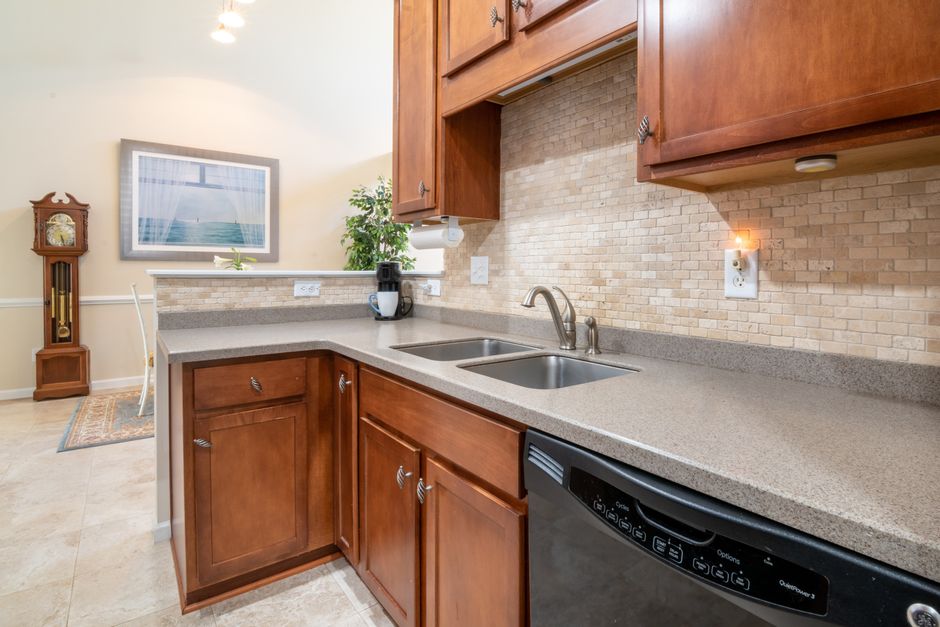
Handle depth plays a significant role in the clearance calculation. A knurled metal handle extends further from the drawer face than a recessed pull. This extra length reduces the available air space between the wood and the slab. When working with a thick marble piece, the weight of the material also necessitates a perfectly level cabinet base. An uneven base causes the stone to tilt, which shifts the clearance gap. A bullnose edge adds thickness to the vertical plane, further tightening the margin for error.
Sink Cutouts and Structural Integrity
The presence of a sink cutout affects the overall stability of the edge. A large undermount sink requires a significant amount of material removal. This removal can weaken the area near the front edge if the remaining strip is too thin. A thin strip of quartzite might flex under pressure, causing the edge to dip toward the cabinet hardware. Ensuring a solid bridge of stone around the cutout maintains the height of the front edge. This maintains the calculated clearance for the doors below.
Template Accuracy and Final Installation
Precision begins during the templating phase. A digital template captures the exact position of the cabinet faces. If the template fails to account for the protrusion of the handles, the stone might be cut too low or positioned too far forward. A seamless transition between the cabinet and the stone relies on these initial measurements. Even a small error in seam placement can alter the height of a specific section, potentially creating a collision point where one did not exist in the original plan.